 11
11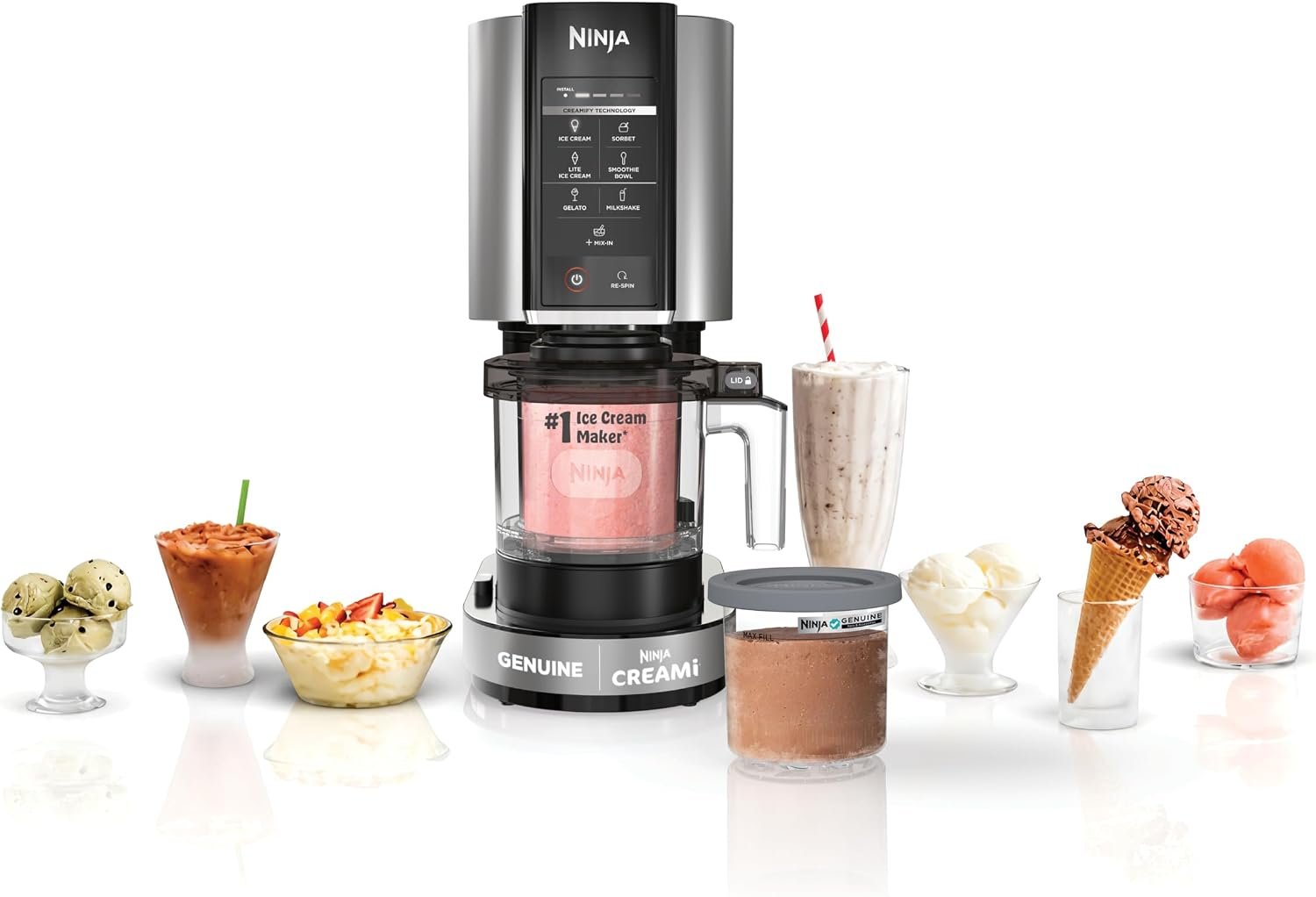
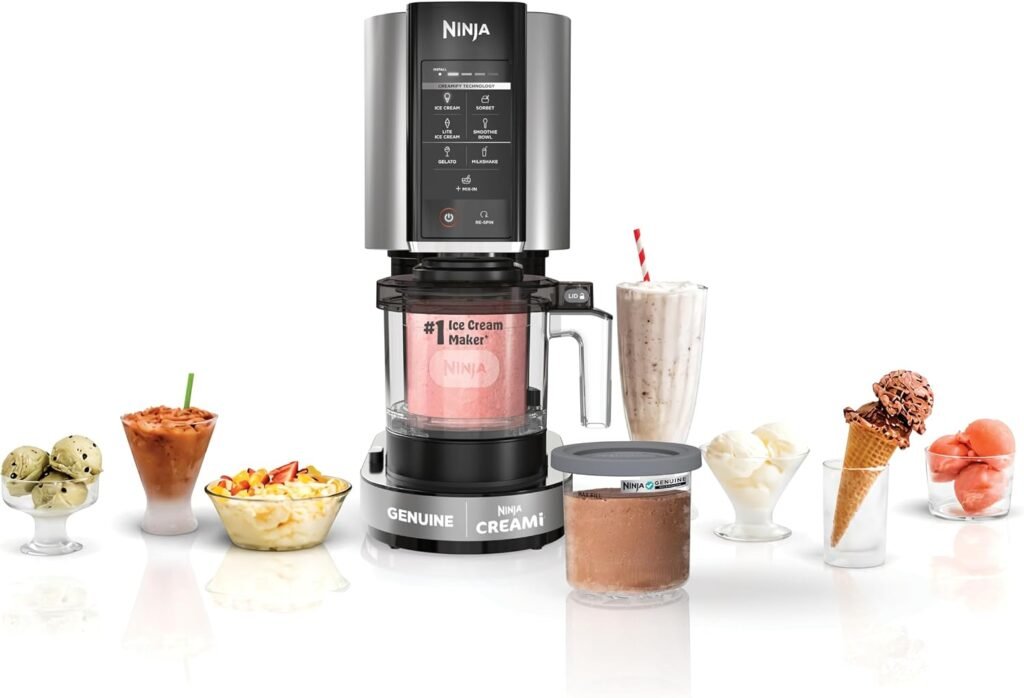
Making frozen desserts at home has traditionally meant choosing between two paths: buying a dedicated ice cream maker with a churning bowl that needs hours in the freezer beforehand, or skipping homemade entirely and relying on store-bought options. The Ninja CREAMi 7-in-1 Ice Cream Maker (model NC301) takes a somewhat different technical approach, using a freeze-then-process method rather than traditional churning, which changes both how the appliance is used and what kinds of results it tends to produce.
This article walks through what the NC301 offers, how its process works at a mechanical level, the range of frozen treats it’s designed to handle, who it might be a good fit for, and some practical points worth thinking through before adding one to a kitchen. As with any specialty appliance, understanding how it actually works — rather than just what it promises — makes it easier to judge whether it fits your household’s habits and space.
Unlike traditional ice cream makers that churn a liquid base while it freezes, the CREAMi system works in two distinct stages. First, a prepared base — typically a mixture of cream, milk, sugar, and flavorings — is poured into the included pint container and frozen solid, usually for a minimum of 24 hours. Once fully frozen, the solid block is placed into the machine, which uses a specialized processing mechanism to shave and churn the frozen base into a smooth, ice-cream-like texture in a matter of minutes.
This approach is fundamentally different from traditional churn-style makers, and it’s worth understanding this distinction clearly, since it affects both the workflow (advance planning is required for freezing) and the final texture, which tends to be denser and smoother due to how the machine processes already-frozen content rather than freezing while churning.
The “7-in-1” designation refers to the seven distinct processing programs built into the machine, each calibrated for a different type of frozen treat. These typically include settings for ice cream, sorbet, gelato, milkshakes, smoothie bowls, mix-ins, and lite ice cream (a lower-sugar or lower-fat variation). Each program adjusts the processing time and technique slightly to suit the density and composition of that specific dessert type, since a sorbet base (often fruit and water-based) behaves differently under processing than a cream-heavy gelato base.
One of the more distinctive functions is the mix-in program, which allows you to fold in ingredients like chocolate chips, crushed cookies, nuts, or fruit after the base has already been processed into a smooth consistency. This is done by creating a small well in the processed dessert, adding the mix-in ingredients, and running the designated mix-in cycle, which incorporates them without fully re-processing or melting the base.
The machine uses specifically designed pint-sized containers with lids for freezing the base mixture. These containers are sized to fit both the freezer and the processing unit, and multiple containers can be useful for households that want to prepare several flavors in advance, freezing them in batches so a finished treat is ready with less day-of preparation.
Compared to some traditional churn-style ice cream makers, which often have bulky bowls or motor units, the CREAMi is generally designed with a relatively compact, single-unit countertop footprint, making it easier to store or keep out on the counter for regular use.
Beyond classic ice cream, the machine’s programs extend to sorbet (a good option for those avoiding dairy), gelato (a denser, less airy dessert style), milkshakes (blending finished ice cream with liquid for a drinkable consistency), and smoothie bowls, which use frozen fruit and other ingredients processed to a thick, spoonable texture rather than a blended drink.
Classic homemade ice cream. The core function allows for creating traditional ice cream from a custard or cream-based mixture, giving control over ingredients, sweetness levels, and flavor combinations that aren’t always available in store-bought options.
Healthier or dietary-specific frozen treats. Because the base mixture is entirely user-controlled, the machine can be used to create lower-sugar, dairy-free, or protein-focused frozen desserts by adjusting the ingredients in the base before freezing — for instance, using a protein shake or a lower-sugar sweetener in place of standard cream and sugar.
Sorbet for dairy-free needs. The sorbet setting is generally suited to fruit-and-water or fruit-and-juice bases, offering an option for those avoiding dairy altogether, whether for dietary preference or lactose intolerance.
Milkshakes from leftover or freshly processed ice cream. The milkshake function is typically used after a batch of ice cream has already been processed, blending it with milk or another liquid to reach a drinkable consistency, which can be a useful way to use up a partial batch.
Smoothie bowls as a breakfast or snack option. The smoothie bowl setting processes frozen fruit (and sometimes yogurt or other add-ins) to a thick, spoonable consistency, offering an alternative to traditional blended smoothies for those who prefer a thicker, more scoopable texture.
Customized mix-in creations. The mix-in function allows for a fairly wide range of creativity, letting users fold in candy pieces, cookie chunks, nut butters, or fresh fruit after the base dessert has already reached its final texture, similar to how mix-ins are added at ice cream shops.
Households that enjoy experimenting with ingredients may find particular value in the CREAMi’s flexibility, since the base recipes are entirely customizable, allowing for control over sugar content, dairy alternatives, or specific flavor combinations that aren’t easily found in store-bought frozen desserts.
Those with dietary restrictions or preferences — including lactose intolerance, lower-sugar diets, or higher-protein goals — may appreciate being able to build a frozen dessert base entirely from ingredients that fit their specific needs, using the lite or sorbet settings as starting points.
Families with kids interested in a hands-on kitchen activity might enjoy the process of choosing mix-ins and flavors together, particularly given the relatively quick processing time once a base is frozen and ready.
People who prefer planning ahead rather than spontaneous same-day treats are generally better suited to this appliance’s workflow, since the mandatory freezing period (typically at least 24 hours) means this isn’t a same-hour, spontaneous dessert-making tool in the way a blender-based treat might be.
On the other hand, those looking for an immediate, same-day frozen dessert with no advance prep may find the freezing requirement inconvenient, since it does require planning a day ahead rather than deciding to make ice cream on a whim with fully fresh ingredients.
The 24-Hour Freezing Requirement
This is arguably the most important detail to understand before purchase. Unlike traditional ice cream makers that can go from liquid base to finished dessert in 20 to 40 minutes, the CREAMi system requires the base to be fully frozen solid first, which generally takes a minimum of 24 hours in a standard home freezer. This means same-day ice cream isn’t really part of the typical workflow unless a base has already been prepared and frozen in advance.
Container and Freezer Space
Each batch requires its own pint container, and having multiple containers on hand (sold separately in some cases, though it’s worth checking what’s included with this specific model) allows for preparing several flavors in advance. This does require a certain amount of dedicated freezer space, which is worth considering for households with smaller or already-full freezers.
Texture Differences from Traditional Ice Cream
Because the machine processes an already-frozen block rather than churning a liquid base while it freezes, the resulting texture can differ somewhat from traditional churned ice cream. Some batches, particularly on the first pass, may come out slightly crumbly or icy before a re-spin cycle (if the machine offers one) smooths things out further. Understanding this as a normal part of the process — rather than an error — can help with managing expectations, especially for a first attempt.
Recipe Learning Curve
Getting consistently smooth, well-balanced results often benefits from following tested recipes, at least initially, since the ratio of fat, sugar, and liquid in a base mixture affects how well it freezes and processes. Sugar and fat content, in particular, influence scoopability and texture, so those experimenting with very low-sugar or low-fat bases may need to adjust expectations or techniques accordingly.
Cleaning Considerations
The pint containers, lids, and processing components will need regular washing between uses, and it’s worth checking which parts are dishwasher safe versus recommended for hand washing, particularly for the more mechanically complex processing paddle or blade components.
Noise During Processing
Like most motorized kitchen appliances that shave or churn dense frozen material, this machine will produce noise during its processing cycles, generally for a period of a few minutes per batch, which is worth factoring in if you’re sensitive to kitchen appliance noise.
Understanding how this freeze-first system compares to other frozen dessert appliance categories can help clarify where it fits, without singling out specific competing brands.
Freeze-First Processing Systems This category, which includes the Ninja CREAMi, requires freezing a base solid before processing it into a smooth, ready-to-eat texture. The main tradeoff here is advance planning in exchange for a generally dense, ice-cream-shop-like texture and strong customization control over ingredients.
Traditional Churn-Style Ice Cream Makers These machines churn a liquid base while simultaneously freezing it, typically using either a pre-frozen bowl or a built-in compressor. This method can produce ice cream in a single sitting (often 20 to 40 minutes from start to finish) but generally requires either advance bowl-freezing (for non-compressor models) or a larger, more expensive compressor-based unit for same-day, no-pre-freeze convenience.
Compressor-Based Ice Cream Makers A subcategory of churn-style makers, these include a built-in freezing compressor, eliminating the need to pre-freeze a bowl. They tend to be larger, heavier, and often more expensive, but offer more flexibility for spontaneous, same-day ice cream making without advance planning.
Simple Manual or Bowl-Freeze Churners The most basic and budget-friendly category, these require manually freezing a churning bowl in advance (similar in spirit to the CREAMi’s freezing requirement, though the churning method differs) and are generally simpler in terms of programming and settings, often limited to a single basic ice cream function rather than multiple dessert-type programs.
Each category involves a different balance of convenience, advance planning, and cost, and the right fit really depends on how far ahead you’re willing to plan and how much variety you want in a single appliance.
Do I really need to freeze the base for 24 hours before using this machine? Yes, the standard recommendation for this type of freeze-first system is a minimum of 24 hours of solid freezing before processing, since the machine is designed to shave and churn an already-frozen block rather than freeze a liquid base itself.
Can this machine make dairy-free desserts? Yes, the sorbet setting and general flexibility of custom base recipes allow for dairy-free options, typically using fruit, water, or non-dairy milk alternatives as a base rather than traditional cream.
What does the mix-in function actually do? After a base has been processed into a smooth dessert, the mix-in program allows you to fold in ingredients like chocolate chips, nuts, or cookie pieces without fully reprocessing or melting the finished texture.
Is the texture the same as store-bought ice cream? Texture can vary depending on the recipe and ingredient ratios used, and results may sometimes be slightly denser or icier on a first processing pass compared to commercially churned ice cream, though many users find recipes and techniques that produce a smoother, scoopable result over time.
How many pint containers come with the NC301? The number of included containers can vary by specific package or bundle, so it’s worth checking the current product listing for exact accessory details before purchase.
Can I use the machine to make smoothie bowls, not just ice cream? Yes, one of the seven programmed settings is specifically designed for smoothie bowls, processing frozen fruit and other ingredients into a thick, spoonable consistency.
The Ninja CREAMi 7-in-1 Ice Cream Maker (NC301) offers a distinctive approach to homemade frozen desserts, built around a freeze-first, process-second method rather than traditional churning. With seven program settings covering everything from classic ice cream and sorbet to milkshakes and smoothie bowls, it offers a fair amount of versatility for households interested in customizing their frozen treats, whether that means controlling sugar content, exploring dairy-free options, or simply experimenting with flavor combinations that aren’t available at the store.
The main tradeoff worth understanding clearly is the required advance planning — bases need to freeze solid, typically for at least 24 hours, before they can be processed — which makes this a tool suited to those willing to plan a day ahead rather than looking for a same-hour dessert solution. For households that enjoy that kind of ingredient control and don’t mind the lead time, this type of appliance can open up a fairly wide range of frozen dessert possibilities beyond what a traditional ice cream maker typically offers.