 11
11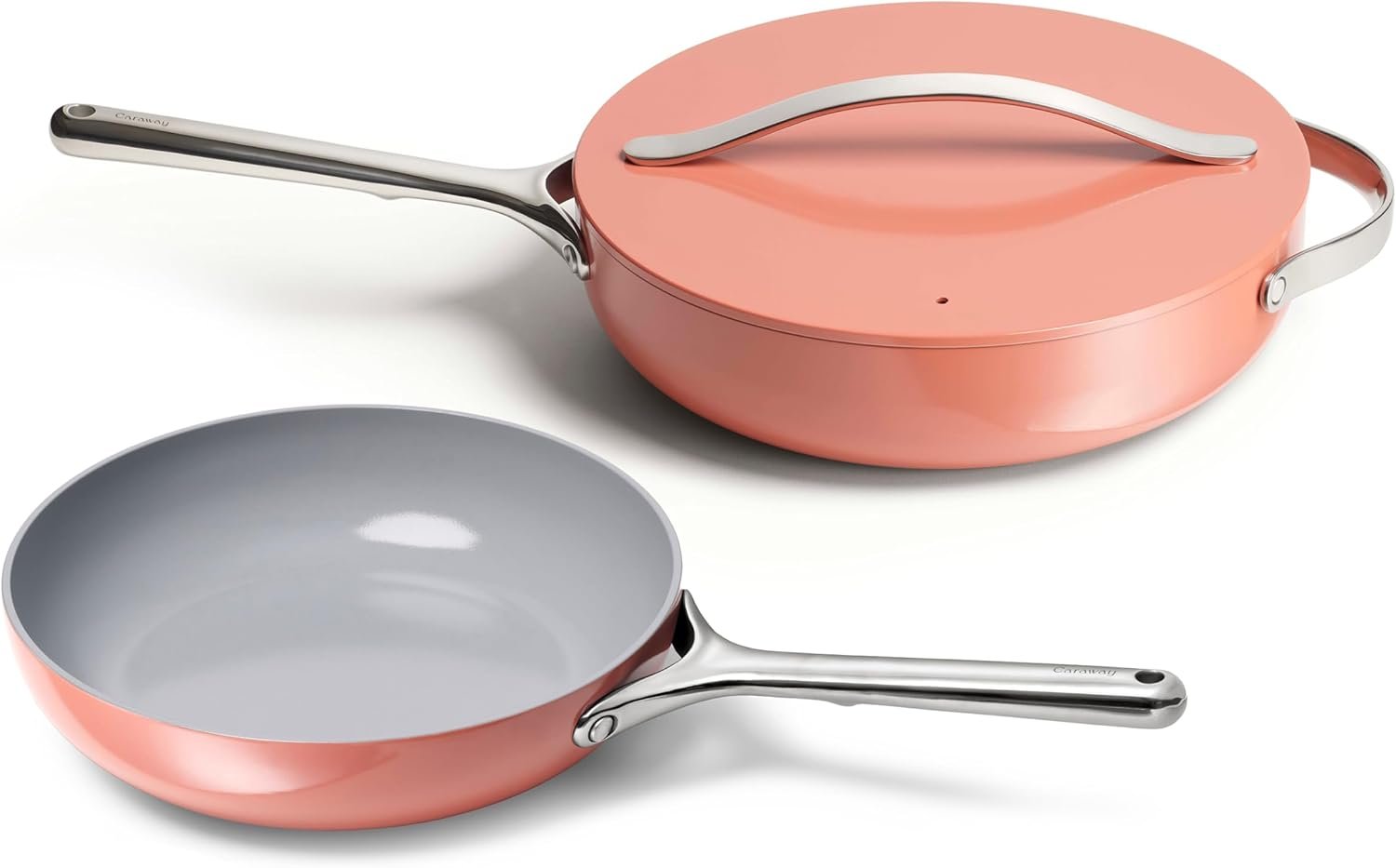
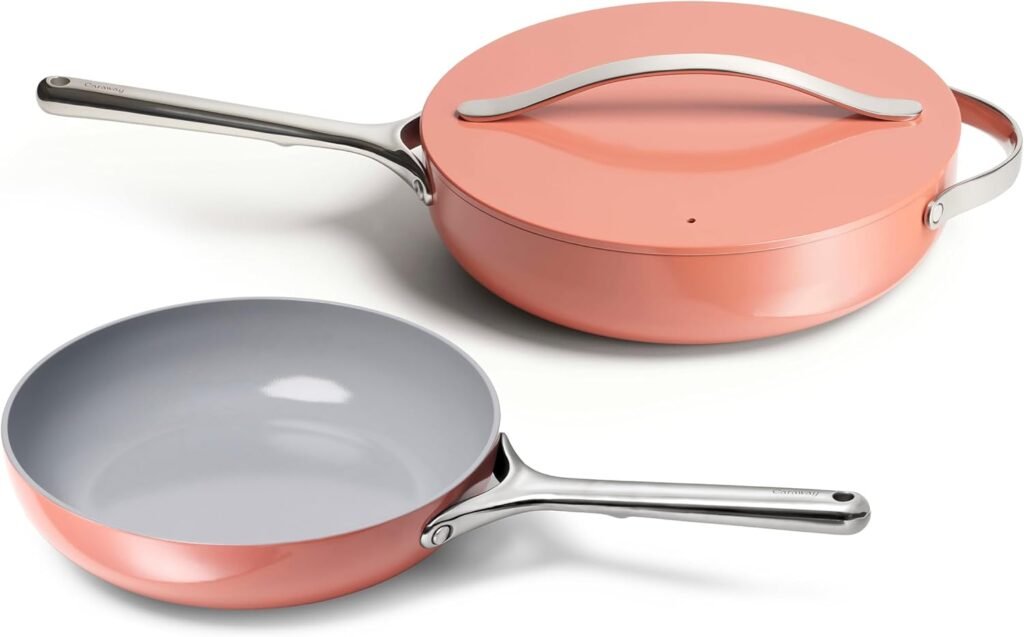
Ceramic-coated cookware has become an increasingly common choice for home cooks looking for an alternative to traditional nonstick coatings, largely driven by growing interest in cookware marketed as free from certain chemical compounds historically used in nonstick manufacturing. The Caraway Non-Stick Fry Pan and Sauté Pan Duo, offered here in the Perracotta finish, brings together two commonly used pan sizes — a 10.5-inch fry pan and a 12-inch deep sauté pan with a lid — into a single two-piece set aimed at covering a good portion of everyday stovetop cooking needs.
This article takes a closer look at what this duo includes, how ceramic nonstick cookware tends to function in daily use, who might find this particular set useful, and some practical points worth considering before adding it to a kitchen. The intent here is to provide a clear, informative overview rather than a persuasive pitch, so you can weigh the details against your own cooking habits and existing cookware collection.
The defining feature of this cookware set is its ceramic nonstick coating, which differs from traditional nonstick coatings in its composition. Ceramic coatings are generally marketed as being free from PFAS, PFOA, lead, and cadmium, compounds that have drawn increasing consumer scrutiny over the past several years. This has made ceramic-coated cookware a popular choice among people specifically looking to avoid these compounds in their kitchen tools, whether due to personal preference or broader health-conscious purchasing habits.
It’s worth noting that ceramic nonstick coatings, while generally effective, tend to have somewhat different longevity characteristics compared to traditional PTFE-based nonstick coatings, a point covered in more detail later in this article.
This particular product combines two distinct pan types into one set:
Pairing these two pan types together gives a reasonably complete starting point for stovetop cooking, covering both smaller, quick-cooking tasks and larger, more involved one-pan meals.
The sauté pan comes with a matching lid, which extends its functionality considerably. Lids are useful for retaining moisture and heat during cooking, which matters for tasks like simmering sauces, steaming vegetables, or finishing dishes that benefit from trapped steam to fully cook ingredients like chicken breasts or thick-cut vegetables.
Both pans in this set are designed to be oven safe, which allows for recipes that begin on the stovetop and finish in the oven — a common technique for dishes like frittatas, seared meats that need to finish cooking through, or casserole-style one-pan meals. It’s generally worth checking the specific oven-safe temperature limit provided with this set, since oven-safe ratings can vary depending on handle materials and overall pan construction.
The Perracotta color option gives this set a distinct, warm terracotta-inspired exterior tone, differing from the more commonly seen stainless steel, black, or cream finishes found across much of the ceramic cookware market. This is primarily an aesthetic detail, though for cooks who prefer cookware that can be displayed openly — on a stove, hanging rack, or open shelving — color and finish often factor meaningfully into the decision-making process.
Ceramic nonstick cookware, including lines like this one, is typically built on an aluminum core, which is valued for its efficient and relatively even heat conductivity. This construction allows the pans to heat up reasonably quickly and respond promptly to temperature adjustments during cooking, which is particularly useful for tasks requiring more precise heat control, like delicate sauces or eggs.
Breakfast and egg-based dishes. The 10.5-inch fry pan is well suited to everyday breakfast tasks — frying or scrambling eggs, making omelets, or preparing pancakes — where a reliable nonstick surface helps food release cleanly without requiring excessive butter or oil.
Searing and browning proteins. Both pans can handle searing tasks like browning chicken, fish, or other proteins, though as with most nonstick cookware, very high-heat searing is generally not recommended, since excessive heat can affect the coating’s performance and longevity over time.
One-pan meals and sautéing. The deep sauté pan, with its larger surface area and higher sides, is well suited to dishes that combine multiple ingredients — think a vegetable stir-fry, a chicken and rice skillet meal, or a simmered pasta sauce with added protein. The extra depth compared to a standard fry pan helps contain ingredients that might otherwise spill over the edges of a shallower pan.
Simmering and covered cooking. With the included lid, the sauté pan becomes useful for tasks that benefit from trapped steam and moisture, such as simmering sauces slowly, steaming vegetables, or finishing thicker cuts of meat that need a bit of covered cooking time to cook through evenly.
Stovetop-to-oven recipes. Since both pans are oven safe, they can be used for recipes that transition from stovetop searing to oven finishing, a common approach for dishes like baked frittatas, oven-finished chicken thighs, or skillet cornbread.
Those specifically seeking PFAS-free or ceramic-based cookware are likely to find this set relevant, given that avoiding certain nonstick chemical compounds is one of the primary reasons many people choose ceramic-coated cookware over traditional PTFE nonstick options.
Home cooks who want a manageable, starter-friendly cookware set rather than a full multi-piece collection may appreciate the focused two-pan approach here, since it covers a solid range of everyday cooking tasks without the larger investment or storage space required by an extensive cookware set.
Cooks who value the visual presentation of their cookware may be drawn to the Perracotta finish, particularly if they prefer pans that can remain out on display rather than being tucked away in cabinets between uses.
Those transitioning away from older, worn nonstick pans and looking for a fresh, ceramic-based alternative may find this duo a reasonable starting point, particularly if they’re not looking to replace an entire cookware collection all at once.
On the other hand, cooks who frequently need very high-heat searing capability, or who rely heavily on metal utensils during cooking, may want to research cookware options built specifically for that kind of heavy-duty, high-heat use, since ceramic nonstick coatings generally perform best under moderate heat and with non-metal utensils.
Heat Tolerance and Recommended Cooking Temperatures
Ceramic nonstick coatings generally perform best at low to medium heat settings, and manufacturers typically advise against prolonged high-heat use, since excessive heat can degrade the coating more quickly than moderate use would. This is a point worth understanding clearly before purchase, particularly for cooks accustomed to searing at high temperatures with stainless steel or cast iron.
Coating Longevity Compared to Traditional Nonstick
It’s a reasonably well-documented pattern across the ceramic cookware category that ceramic coatings can, in some cases, show wear or a reduction in nonstick performance somewhat sooner than certain traditional PTFE-based coatings, particularly with frequent high-heat use or less careful maintenance. This isn’t necessarily a drawback specific to this product, but rather a general characteristic of ceramic coatings as a category, and it’s worth factoring into expectations around long-term use.
Utensil Choice
As with most nonstick cookware, using silicone, wood, or nylon utensils rather than metal is generally recommended to help preserve the coating and avoid scratching the cooking surface prematurely.
Only Two Pans Included
This is a two-piece set rather than a full cookware collection, so it won’t cover every cooking task — there’s no included stockpot, saucepan, or additional skillet sizes. For some households, this focused approach is exactly what’s wanted; for others building a kitchen from scratch, additional pieces may need to be purchased separately over time.
Dishwasher vs. Hand Washing
While some ceramic nonstick cookware is labeled dishwasher safe, hand washing is often recommended to help extend the coating’s performance and lifespan, since dishwasher detergents and cycles can be more abrasive than gentle hand washing with mild soap.
Weight and Handle Comfort
Aluminum-core cookware is generally lighter than cast iron or heavy-gauge stainless steel, which can be an advantage for everyday handling, though it’s still worth considering handle comfort and overall pan weight, particularly for the larger 12-inch sauté pan when fully loaded with food.
Understanding how ceramic nonstick cookware compares to other common materials can help clarify where this set fits within the broader cookware landscape.
Ceramic Nonstick Cookware This category, which includes the Caraway duo discussed here, is generally chosen for its PFAS-free composition and solid everyday nonstick performance at low to medium heat. It tends to be lighter than cast iron and more food-release-friendly than bare stainless steel, though it typically requires more careful heat management and utensil choice to maintain performance over time.
Traditional PTFE Nonstick Cookware This more established nonstick category often provides very reliable food release and, in many cases, comparable or sometimes longer coating durability under proper care, though the presence of PTFE and historical manufacturing compounds like PFOA has led some consumers to specifically seek alternatives like ceramic coatings.
Stainless Steel Cookware Valued for durability, high-heat searing capability, and compatibility with metal utensils, stainless steel doesn’t offer the same effortless food release as nonstick cookware and generally requires more oil, careful preheating, and technique to prevent sticking.
Cast Iron Cookware Known for excellent heat retention and, with proper seasoning, a naturally nonstick-like surface, cast iron is considerably heavier than ceramic or aluminum-based cookware and requires specific maintenance practices that differ meaningfully from nonstick coating care.
Each of these categories serves different priorities, and many kitchens ultimately use a mix — nonstick or ceramic pans for eggs and delicate foods, paired with stainless steel or cast iron for high-heat searing and browning tasks.
Is this cookware set actually free of PFAS and other chemicals? Ceramic nonstick coatings, including those used in this line, are generally marketed as free from PFAS, PFOA, lead, and cadmium, though it’s worth reviewing the manufacturer’s specific product information to confirm exact material claims.
Can these pans go in the oven? Yes, both the fry pan and sauté pan in this set are designed to be oven safe, though it’s important to check the specific maximum oven temperature provided by the manufacturer before use.
What utensils are safe to use with this cookware? Silicone, wood, or nylon utensils are generally recommended for nonstick and ceramic-coated cookware, since metal utensils can scratch and gradually wear down the coating over time.
Is this set dishwasher safe? While some ceramic nonstick cookware is labeled dishwasher safe, hand washing is often recommended to help preserve the coating’s nonstick performance for a longer period, so it’s worth checking the specific care instructions included with this set.
Does the sauté pan come with a lid? Yes, the 12-inch deep sauté pan in this duo includes a matching lid, which is useful for simmering, steaming, and moisture-retentive cooking methods.
How does ceramic nonstick compare to traditional nonstick in terms of durability? This can vary by brand and usage habits, but as a general pattern across the category, ceramic coatings sometimes show wear slightly sooner than well-maintained traditional PTFE coatings, particularly with high-heat use, though proper care can help extend performance in either case.
The Caraway Non-Stick Fry Pan and Sauté Pan Duo offers a focused, two-piece entry into ceramic cookware, pairing a versatile 10.5-inch fry pan with a deeper 12-inch sauté pan and lid, all finished in the distinctive Perracotta colorway. For cooks specifically interested in PFAS-free cookware, or those wanting a manageable starting set rather than a full collection, this duo covers a solid range of everyday stovetop cooking tasks, from breakfast eggs to simmered one-pan dinners.
As with any cookware purchase, it’s worth considering your own cooking habits — how often you cook at high heat, whether you rely on metal utensils, and how much you value chemical-conscious material choices — against what this particular set offers. Ceramic nonstick cookware tends to reward a bit of extra care, particularly around heat management, in exchange for the peace of mind that comes with its specific material composition.